Discover Poland through heritage travel that connects you with your family story
Some journeys go beyond sightseeing. They take you to the village where your great-grandparents were born, to a parish where your name appears in a baptismal record, sometimes even to a relative you have never met. Genealogy Tour has spent more than fifteen years building exactly this kind of travel for people across the world. Their carefully planned trips bring together professional archival research, comfortable logistics and a real sense of belonging that no guidebook can offer.
Heritage travel built around your roots and the places your ancestors called home
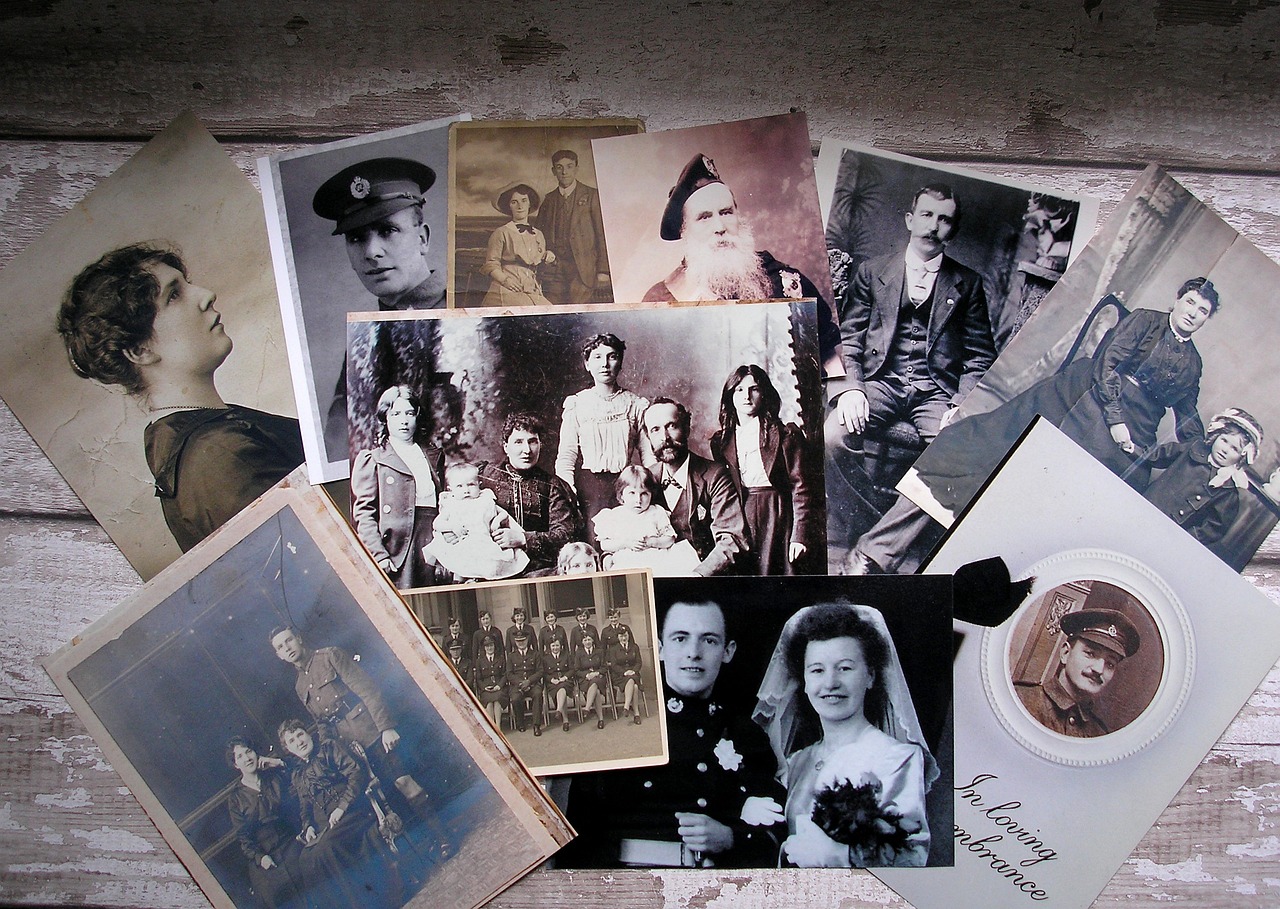
Genealogy tourism is a form of travel that begins long before the flight is booked. It starts in archives, in scanned parish registers, in old letters and family photographs whose captions have faded. People who choose this path are rarely looking for postcard views. They want a street name that matches a great-grandmother’s birthplace, a cemetery where a familiar surname appears on a headstone, a church where two ancestors were married in 1887. That emotional layer is what makes such trips so different from a standard holiday. The work behind the scenes is substantial. Civil archives, ship manifests, census records and handwritten correspondence often exist only on paper, sometimes in old Russian, German or Latin script. Many travellers get stuck at this stage, unsure how to read old documents or where the right registers are kept. Specialists in genealogy tourism step in here, locating sources, interpreting them and turning fragmented data into a coherent family narrative. Once the names, dates and towns are confirmed, the practical planning can start in earnest.
Arrival in an ancestral town tends to be the turning point of the whole experience. Travellers walk through villages they have only seen in documents, meet local historians, talk with parish priests, sometimes attend a Mass in the same church their family attended a century earlier. Some people find living relatives still settled in the same area, others stand quietly at a grave they have searched for over years. These moments shape the rest of the journey and often the rest of the family’s memory of it. Genealogy Tour designs each itinerary around the client’s own documents and goals, then adds the surrounding cultural context. Travellers visit regional archives, ancestral parishes and the wider region their family came from, with the support of guides, drivers and translators who handle every detail. Tours of Poland prepared this way move at a human pace, leaving room for unexpected discoveries that almost always appear along the way. The result is a trip that feels personal from the first day to the last. Many participants choose to document the experience as it unfolds, recording interviews with newfound cousins, photographing baptismal records, filming village landscapes and writing journal entries each evening. Some of that material later becomes a printed family history book, a digital archive or a migration map shared across generations. Genealogy tourism, in this sense, is not only about looking backward. It produces something tangible that families pass forward, and for many travellers that legacy becomes the most lasting outcome of the entire journey.
Group itineraries across Polish cities and regions designed with older travellers in mind
Travelling at a comfortable pace through several regions of Poland is a separate format offered alongside individual heritage trips. The group programme runs for twelve days, with a thirteenth day added for the transatlantic flight from Miami to Warsaw on a Boeing 787-8 Dreamliner. Departures are scheduled in May and in September, when the weather across the country is mild and daylight hours are long. Accommodation is arranged in centrally located three and four star hotels with buffet breakfasts, and transfers between cities take place in an air-conditioned minibus, so participants never need to worry about luggage on trams or finding the right platform at a railway station. The route itself covers six historic cities. Warsaw opens the trip with three nights dedicated to the Old Town, the Royal Castle, the Chopin Museum, Łazienki Park and the Warsaw Rising Museum. From there the group travels to Toruń, the medieval birthplace of Copernicus, and then to Gdańsk, where two nights allow time for the European Solidarity Centre, Westerplatte and the Emigration Museum in Gdynia. Poznań brings a night among Renaissance facades and the cathedral island of Ostrów Tumski, while Wrocław offers two nights for its market square and its own Ostrów Tumski quarter. Kraków closes the route with two nights covering Wawel Castle, the Main Market Square and the Jewish district of Kazimierz. Ten substantial Polish lunches, a welcome dinner, every entrance fee mentioned in the programme and the work of local guides at each site are included in the package.
Smaller group sizes are a deliberate choice. Tours to Poland for seniors run with limited numbers, so the tour leader can give attention to each participant, and so museums, churches and historic interiors remain approachable rather than crowded. An English-speaking tour leader accompanies the group throughout the journey, providing commentary, handling logistics and coordinating with local experts at each stop. Genealogical support is available before and during the trip, meaning participants who carry a family name connected to one of the visited regions can request additional research or a short side visit to a parish of personal significance. A shorter eleven day Polish Heritage Expedition Tour focuses on central and southern parts of the country. The route includes Kraków, Zakopane, Tarnów and Warsaw, with stops at Wawel Castle, the Wieliczka Salt Mine and several World War II memorial sites. Cultural elements appear throughout the schedule, from pierogi making workshops to traditional regional dinners and local festivities whenever the calendar allows. Pricing for this version starts at 3,300 USD per person in a double room, with a 875 USD supplement for single occupancy. The twelve day senior programme starts at 4,490 USD per person, with a 600 USD single room supplement. Both formats share the same underlying idea. Guided tours of Poland organised by experienced specialists turn a long bucket-list trip into a sequence of meaningful days, each one paced for comfort, each one tied to a clear historical or personal thread.
