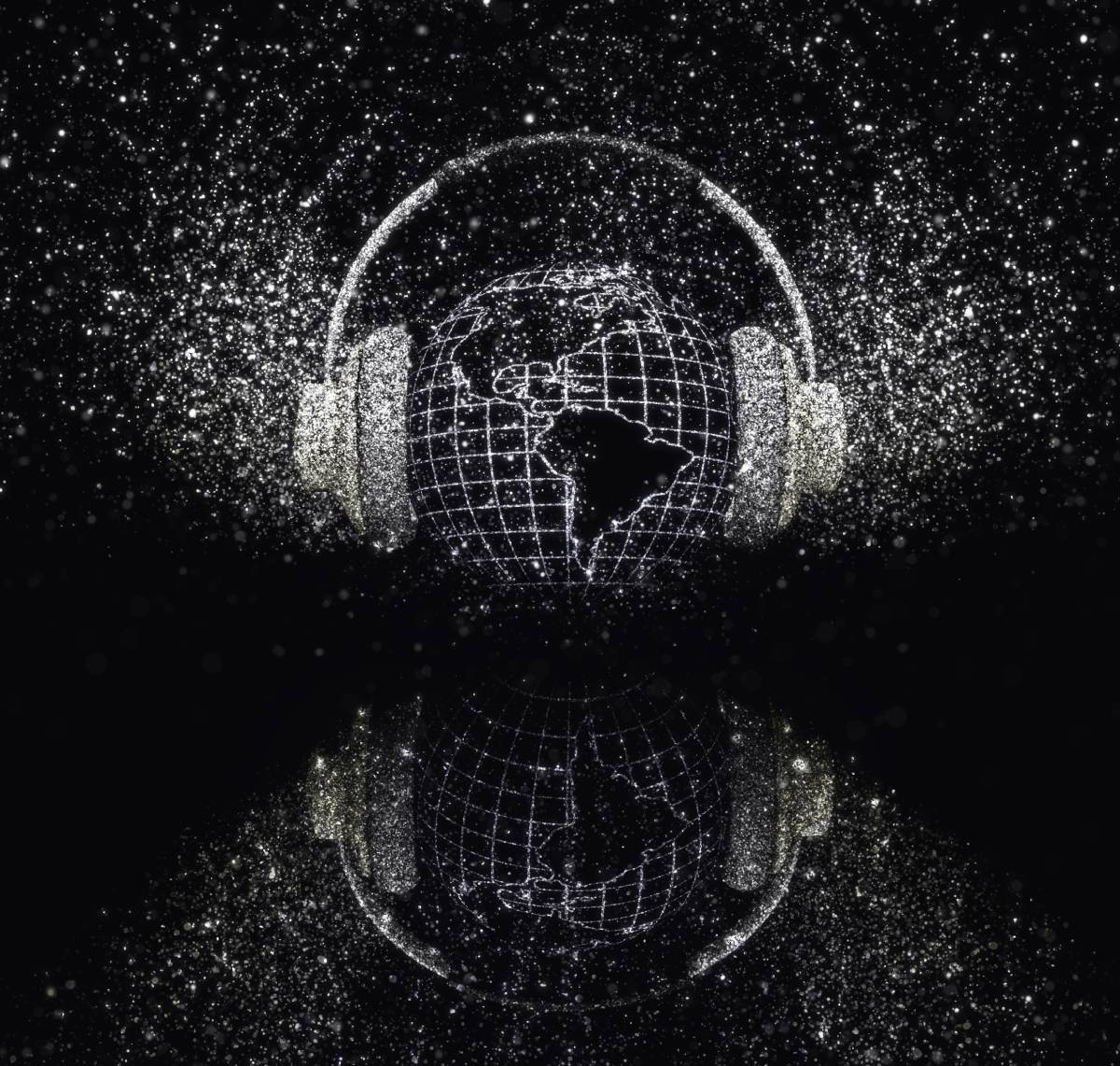
The role of music in product launch campaigns – building anticipation through sound
A successful product launch is never just about features, pricing, or distribution. It is about momentum. It is about anticipation. It is about creating a moment that feels bigger than the product itself. In an environment saturated with content, brands must fight not only for attention but for emotional engagement. One of the most underestimated tools in building that engagement is music.
Sound shapes perception faster than visuals. Within seconds, music signals whether something is premium or accessible, innovative or traditional, disruptive or trustworthy. When used strategically, it becomes the invisible architecture of anticipation – the element that prepares the audience emotionally before the product even appears on screen.
Why anticipation matters more than announcement
Modern product launches rarely happen in a single moment. Instead, they unfold in phases: teaser content, countdown campaigns, influencer previews, launch events, post-release storytelling. Each stage requires a carefully calibrated emotional tone. If that tone is inconsistent, the campaign loses coherence. If it is weak, the launch feels forgettable.
Music creates continuity across these phases. A recognizable motif introduced in teaser videos can evolve into a fuller orchestration during the main reveal. A subtle rhythmic pattern in social ads can reappear in event presentations. This sonic consistency reinforces memory and builds expectation.
Without music, launch content risks feeling informational. With the right sound, it becomes experiential.
The psychology behind launch music
Music activates anticipation through tension and release. Composers often use gradual builds, rising harmonics, and controlled silence to create a sense of “something is coming.” In product marketing, this psychological mechanism mirrors the reveal strategy.
A slow crescendo under a blurred product silhouette primes the audience for impact. A sudden drop before the unveiling intensifies attention. Even minimalistic sound design – a heartbeat-like pulse or subtle ambient textures – can create suspense.
Importantly, the emotional direction must align with the brand’s positioning. A fintech startup introducing a breakthrough AI solution will require a different sonic atmosphere than a luxury watch brand unveiling a limited edition collection. Anticipation is not universal; it must feel authentic to the identity behind the product.
Teasers: the power of minimal sound
Teaser campaigns often rely on brevity. Short social clips, cryptic visuals, and limited information dominate this stage. Music here should not overwhelm. Instead, it should suggest.
Minimal piano notes, distant percussive hits, or atmospheric pads can generate curiosity without revealing too much. Silence can be as powerful as sound when used strategically. A carefully placed pause before a tagline can create a sense of gravity that text alone cannot achieve.
This is where many brands make mistakes. They either use generic background tracks that add no emotional value, or they choose overly dramatic music that overpromises. Teaser sound must intrigue, not exhaust.
The Reveal: from suspense to impact
The reveal moment is the emotional climax of the launch campaign. Here, music often shifts from restrained to expansive. Layered instrumentation, fuller harmonies, and stronger rhythmic elements reinforce the visual unveiling.
Cinematic production quality becomes particularly important at this stage. When visuals are polished and storytelling is ambitious, low-quality or stock-sounding music can instantly reduce perceived value. Audiences may not consciously analyze sound quality, but they instinctively feel when something sounds “cheap” or “premium.”
High-end production music platforms such as Closer Music provide cinematic-grade compositions specifically designed for commercial storytelling, allowing brands to match visual ambition with sonic depth. The difference between generic loops and professionally produced tracks is not subtle – it directly influences how the audience evaluates the product.
Multi-channel consistency
Modern launches extend far beyond one hero video. Brands distribute assets across YouTube, Instagram, LinkedIn, paid ads, landing pages, and live events. Maintaining sonic consistency across these touchpoints strengthens recognition.
For example, a 60-second hero film may feature a full orchestral build, while shorter social cutdowns use a distilled version of the same motif. A website background video might employ a softer instrumental variation. During the live launch event, the same musical theme can accompany the speaker’s entrance.
This approach transforms music into a campaign signature rather than disposable background sound.
Premium perception and brand trust
Sound significantly influences perceived product value. Studies in consumer psychology consistently show that sensory cues shape expectations about quality. In the context of a launch, music functions as an implicit signal of investment and seriousness.
If the music sounds generic, the product may feel generic. If the music sounds refined and cinematic, the product inherits that perception. This is particularly critical for high-ticket items, technology innovations, luxury goods, and premium services.
Music does not just decorate a launch – it frames it.

Live and hybrid launch events
Product launches increasingly combine digital and physical experiences. Hybrid events streamed globally demand audio quality that translates well across environments. Music in this context must support speakers without overpowering them, create transitions between segments, and maintain energy during technical pauses.
Custom intros, branded stingers, and ambient background tracks enhance professionalism. When attendees associate a specific sound with the brand moment, that association extends beyond the event itself.
Emotional memory and post-launch momentum
The launch moment may last a day, but the emotional memory can last much longer. Reusing the core musical theme in post-launch tutorials, testimonials, and follow-up ads reinforces continuity.
This strategy turns music into a long-term asset rather than a single-use element. Over time, the audience begins to recognize the brand through its sonic identity, even before logos appear.
Avoiding common pitfalls
Brands often underestimate licensing clarity during launch campaigns. A product reveal can generate significant reach. Using music without appropriate rights can lead to content takedowns, muted videos, or legal complications – exactly when visibility is highest.
Another mistake is treating music selection as a last-minute task. When sound is chosen after editing is complete, it often feels forced. Ideally, music should inform pacing, transitions, and storytelling from the beginning of production.
Finally, inconsistency across markets can weaken global launches. If regional teams use different tracks, the campaign loses its cohesive identity.
Sound as strategic infrastructure
Music in product launches is not decoration. It is strategic infrastructure. It shapes anticipation, elevates perception, and builds memory. It connects teaser to reveal, digital to live, short-form to long-form.
In a crowded market, features alone rarely differentiate a product. Emotion does. And emotion is accelerated by sound.
When brands treat music as a central element of launch strategy – not an afterthought – they gain a competitive edge that is both subtle and powerful. Anticipation becomes tangible. The reveal feels earned. And the product enters the market not as another announcement, but as a moment.
In an era where attention is fleeting and expectations are high, building that moment may be the most important investment of all.
